The landscape of global health is evolving faster than ever before. From pandemic preparedness and antimicrobial resistance to digital health innovation and climate-driven disease patterns, the challenges facing our world demand coordinated, cross-border responses. This is precisely why the International Conference on Public Health has become one of the most vital platforms for researchers, healthcare professionals, policymakers, and advocates worldwide.
At Thrive Global Forum, we believe that meaningful change begins with meaningful conversation. An international conference on public health is not just an event, it is a catalyst for policy reform, scientific breakthroughs, and life-saving global collaboration.
What Is an International Conference on Public Health?
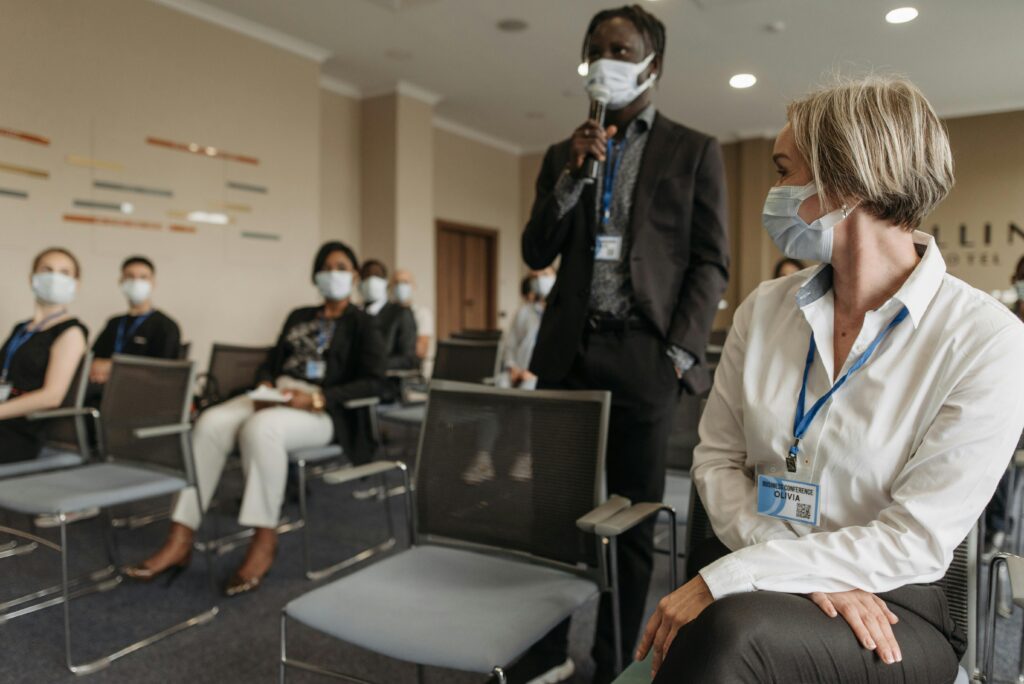
An International Conference on Public Health, often recognized as a Global Health Leaders Conference, is a structured global gathering where scientists, clinicians, public health officials, NGOs, academic institutions, and government representatives come together to share research findings, debate policy directions, and forge collaborative strategies to address health challenges at a population level.
These global health conferences typically span two to four days and feature keynote addresses from leading figures in medicine and health policy, peer-reviewed research presentations, interactive workshops, panel discussions on emerging public health issues, and exhibition spaces for health organizations and innovators.
According to the World Health Organization (WHO), over 70% of major global health milestones in the past two decades have been directly influenced by outcomes from international public health summits and academic conferences. This underscores how vital these gatherings are to advancing human health on a global scale.
Why Public Health Conferences Are Important
Bridging the Gap Between Research and Policy
One of the most significant functions of a public health research conference is translating laboratory findings and field data into actionable public health policy. Researchers often work in silos, and without a shared platform, critical discoveries can remain siloed within academic journals. Conferences break down these barriers.
Accelerating Responses to Global Health Threats
Events such as COVID-19, mpox, and the growing threat of drug-resistant tuberculosis have demonstrated that speed is everything in public health. International conferences on public health create rapid communication channels where outbreaks, surveillance data, and intervention strategies can be shared and evaluated in real time.
Promoting Evidence-Based Decision Making
Policymakers who attend a global health summit gain direct access to the latest evidence, enabling them to craft legislation and allocate resources more effectively. According to a Lancet report, countries whose health ministers actively engaged in international health forums showed a 34% higher rate of implementing WHO evidence-based recommendations.
Key Topics Discussed at Global Public Health Conferences
Modern public health conferences cover a wide and evolving range of topics that reflect the dynamic nature of global health. The following areas are among the most prominent at leading international gatherings:
Digital Health and Health Technology Innovation
From AI-powered diagnostics and telemedicine platforms to electronic health records and mobile health applications, digital health is transforming care delivery. Healthcare research conferences now dedicate entire tracks to health technology, data privacy, and the ethics of AI in medicine.
Non-Communicable Diseases (NCDs)
Heart disease, diabetes, cancer, and mental health conditions now account for over 74% of all global deaths annually (WHO, 2023). Preventive medicine conferences focus heavily on NCDs, examining lifestyle interventions, early detection programs, and equitable access to chronic disease management.
Climate Change and Environmental Health
The intersection of climate change and public health is an increasingly urgent topic. Rising temperatures, air pollution, water scarcity, and vector-borne disease expansion are now central themes at international public health summits.
Mental Health and Psychosocial Well-being
Global mental health has emerged as a top priority, with the WHO estimating that one in eight people worldwide lives with a mental health disorder. Conferences increasingly feature sessions on community mental health, stigma reduction, and integrated care models.
Benefits of Attending a Public Health Conference
Whether you are an early career researcher, a seasoned clinician, a public health student, or a policymaker, attending an international conference on public health offers transformative benefits:
Access to Cutting Edge Research: Hear the latest findings directly from leading researchers before they are widely published.
Professional Development: Workshops, masterclasses, and certification opportunities enhance your skill set and career prospects.
Visibility and Recognition: Presenting your research at a global health conference positions you as an authority in your field.
Policy Influence: Engage directly with the decision-makers who shape national and international health agendas.
Grant and Funding Opportunities: Many conferences connect researchers with funding bodies, NGOs, and institutional partners actively seeking to support public health initiatives.
Inspiration and Motivation: Being in a room with thousands of people committed to improving global health can profoundly reinvigorate your sense of purpose.
Networking, Knowledge Sharing, and Global Collaboration in Public Health
Building a Global Professional Network
The hallways of a public health conference are as valuable as the sessions themselves. Informal conversations between researchers, practitioners, and policymakers often spark collaborations that result in multi-country studies, joint policy papers, and shared funding proposals. A single connection made at a global health summit can change the trajectory of a career, or a community’s health outcomes.
Cross-Cultural Exchange and Learning
Public health strategies that work in one cultural context may not be effective in another. International conferences, including events like the Global Health Leaders Conference, facilitate the sharing of culturally adapted approaches to health promotion, disease prevention, and community engagement. This cross-cultural learning is essential for designing interventions that are both globally informed and locally relevant.
Strengthening South-South and North-South Partnerships
Global health conferences create unique opportunities to build equitable partnerships between high income and low-to-middle-income countries. These relationships are critical for addressing the global health inequities that leave billions without access to basic healthcare services.
The Future of International Public Health Conferences
The format and scope of international public health conferences are evolving rapidly. Several trends are shaping the future of these events:
Hybrid and Virtual Participation
The pandemic permanently changed how conferences are delivered. Hybrid models that combine in-person attendance with robust virtual platforms are now standard, dramatically expanding global participation, particularly from researchers in LMICs who may face travel or visa barriers.
Greater Inclusion and Equity in Global Representation
There is a growing consensus that conferences must reflect the diversity of the communities they serve. Leading healthcare research conferences are actively increasing representation from Africa, South Asia, Southeast Asia, and Latin America, both in attendance and in keynote speaker lineups.
Action-Oriented Outcomes
The most impactful global health summits are moving beyond passive knowledge transfer toward structured action planning. Conferences are now producing detailed communiqués, policy roadmaps, and accountability frameworks that track implementation of conference recommendations.
Your Role in the Global Health Conversation
The International Conference on Public Health is more than a professional event, it is a statement of shared commitment to a healthier, more equitable world. Whether you are contributing a research paper, attending a workshop, or simply listening to a keynote that reshapes your understanding of a global health challenge, your participation matters.
At Thrive Global Forum, we are dedicated to creating an international public health conference experience that is inclusive, scientifically rigorous, and genuinely transformative. We invite researchers, students, healthcare professionals, policymakers, and global health advocates to be part of this essential conversation.
Ready to make your mark on global health? Join us at the Thrive Global Forum Register Now at thriveglobalforum.com
Frequently Asked Questions (FAQs)
Q1. What is an International Conference on Public Health?
An International Conference on Public Health is a global academic and professional gathering where researchers, clinicians, policymakers, and health advocates share evidence-based findings, discuss emerging health challenges, and develop collaborative strategies to improve population health.
Q2. Who should attend public health conferences?
Public health conferences welcome a broad audience including epidemiologists, physicians, nurses, health economists, policy analysts, NGO workers, public health students, and government officials. Anyone working to understand or improve population health at local, national, or global levels will benefit greatly from attending.
Q3. Why are global health conferences important?
Global health conferences are critical platforms for accelerating the translation of research into policy, fostering international collaboration, and mobilizing resources for health equity. They facilitate rapid information exchange on emerging threats like pandemics and antimicrobial resistance, directly influencing health outcomes worldwide.
Q4. Can students and early-career researchers attend international public health conferences?
Absolutely. Most international public health conferences actively encourage student and early-career researcher participation through reduced registration fees, mentorship programs, poster presentation opportunities, and dedicated networking sessions. These events are invaluable for professional development and building a global peer network.
Q5. How can healthcare professionals benefit from attending public health conferences? Healthcare professionals gain access to the latest clinical and epidemiological research, earn continuing medical education (CME) credits, expand their professional network, discover funding opportunities, and contribute their own expertise to global discussions, all of which directly enhance their professional practice and leadership in the health sector.